North Bay climate and your gasket
Why salt air and fog cycles accelerate gasket wear in this area
Sub-Zero gaskets are rubber-compound profiles designed to flex and recover through thousands of door cycles. What they are not designed for is sustained exposure to the salt-laden fog that moves through Marin and the lower North Bay corridor on a near-daily cycle through summer. The moisture causes the rubber to swell slightly; the salt residue — which accumulates on the exterior of the door seal even in kitchens that don't face the water — acts as a mild abrasive that wears the compression surface. In inland pockets the gaskets age through use; in coastal and near-coastal kitchens we consistently see them fail through a combination of use and material degradation that trims a few years off the expected service life.
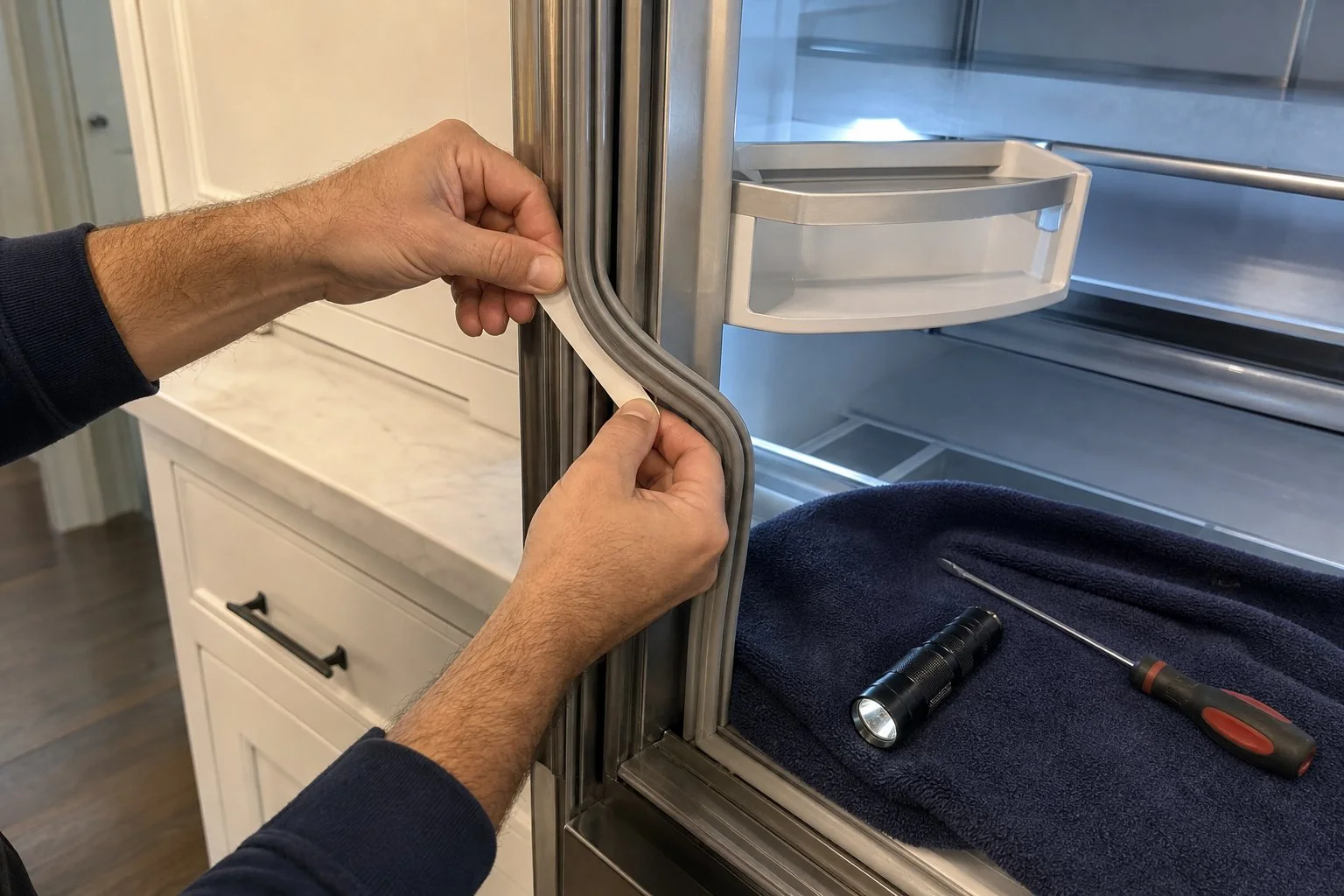
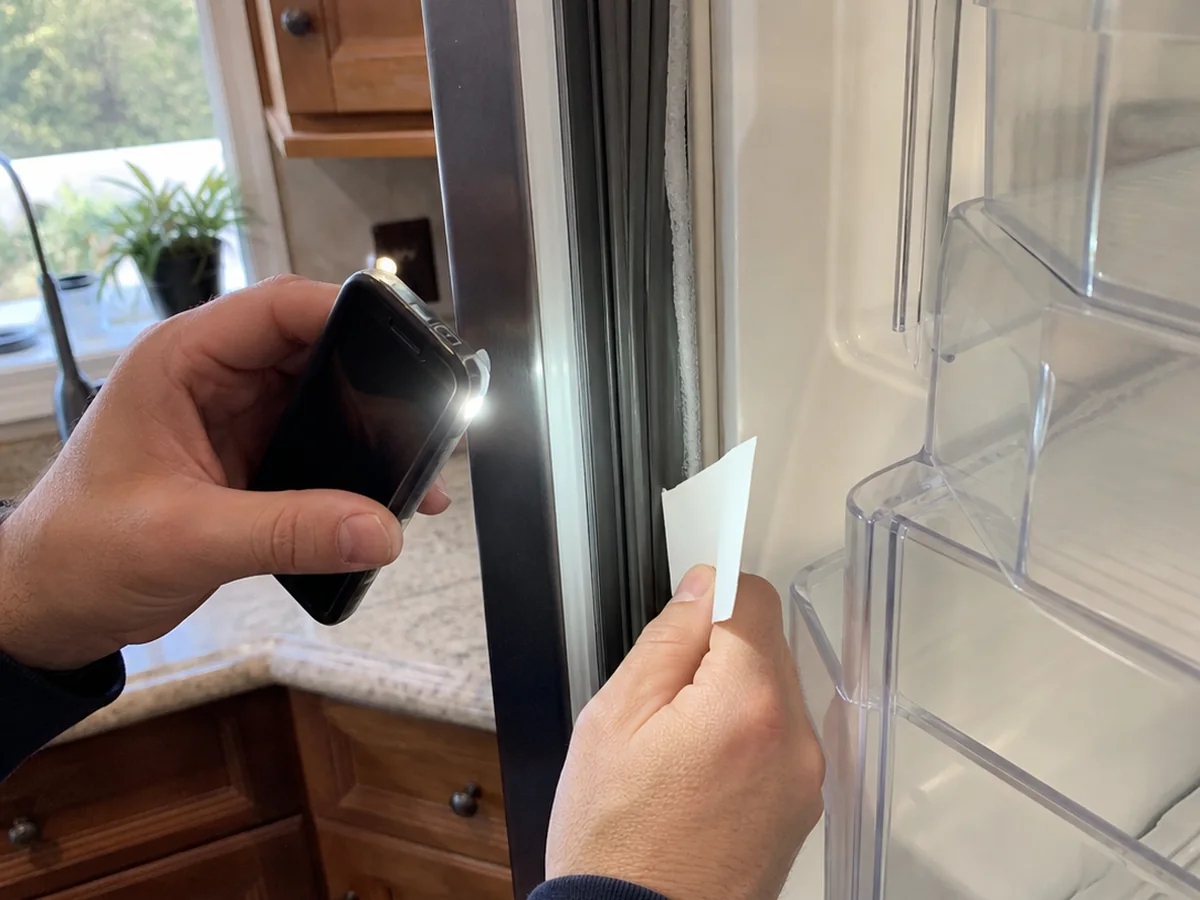
A practical example from a recent visit in Petaluma: a 700-series column with a panel-ready door had been running warm for two months. The homeowner assumed the sealed system because the symptoms matched what they read online. On site, the bill-drag test failed at both lower corners, the gasket showed a classic compression set groove, and the compartment temperature recovered to within a degree of setpoint within four hours of a temporary door seal. The sealed-system suspicion was ruled out without a pressure test because the evidence didn't support it. One OEM gasket replacement — profile-specific to the 700-series door — closed the job.
In the Ignacio area, which sits at the intersection of the 101 corridor and the bay-adjacent flatlands, we see similar fog-cycle degradation on units installed in kitchen remodels where the refrigerator alcove faces the prevailing westerly. Gaskets on the hinge side of the door — where the seal compresses last on closing — tend to fail first in those orientations. It is a minor detail, but it tells us where to start the bill-drag test rather than working the perimeter blindly.